
Skincare
Rainy Season Skin: Beating Frizz, Fungal Acne & Dullness in the Philippines
The habagat months bring a special kind of skin chaos: sweaty, oily, weirdly dull skin and breakouts that won't quit. Here's how to actually keep your skin clear and glowing through the Philippine rainy season.
There's a particular kind of skin frustration that only Filipinos in the habagat months really understand. The weather finally cools down from the brutal summer heat — and yet your skin somehow gets worse. Oilier. More congested. Breaking out in places it never used to. And no matter how much you sleep, it looks strangely flat and dull.
One honest caveat before we start: PAGASA declared the rainy season on June 4 this year, but with a very strong El Niño in play, Metro Manila itself has stayed unusually dry so far. So you may be getting the strangest combination of all — habagat humidity some weeks, hot dry spells the next. The advice below covers the humid days; on the dry, scorching ones, keep your moisturiser a touch richer and be extra strict with sunscreen.
You're not imagining it, and you're not doing anything wrong. Humidity changes the rules. Here's what's actually happening to your skin during the rainy season, and a practical routine to keep it clear, calm, and glowing until the dry months return.
Why humidity is so hard on your skin
When the air is thick with moisture, a few things happen at once:
- Your skin traps more oil and sweat. Humidity slows down how quickly sweat and sebum evaporate, so they sit on the surface and seep into pores instead of clearing away.
- Pores clog faster. That trapped oil mixes with dead skin cells, sunscreen, and pollution to block pores — the perfect setup for breakouts.
- Bacteria and yeast thrive. Warm, damp skin is an ideal environment for both acne-causing bacteria and the yeast behind fungal acne.
- Skin looks dull. A film of sweat and buildup scatters light instead of reflecting it, so even healthy skin can look tired and grey.
The cruel irony is that humid air feels hydrating, so people often strip their routine back and over-cleanse — which makes the oiliness worse. The goal in the rainy season isn't to dry your skin out. It's to keep it clean, balanced, and lightly hydrated.
The rainy-season enemy: fungal acne
If you're suddenly covered in small, itchy, uniform bumps — often across the forehead, hairline, chest, or back — that won't respond to your usual acne products, you may be dealing with fungal acne.
Despite the name, it isn't true acne. It's an overgrowth of a yeast called malassezia in your hair follicles, and it loves exactly the conditions the rainy season provides: heat, sweat, and humidity trapped against the skin. Regular acne treatments often make no difference because they target bacteria, not yeast.
The practical fixes:
- Shower and change out of damp, sweaty clothes promptly — don't let sweat sit on your skin.
- Avoid heavy, oily products that feed the yeast (many "natural" oils make it worse).
- Look for ingredients like zinc pyrithione or those designed for fungal acne.
- Get it properly assessed if it's persistent — fungal and bacterial breakouts need different treatment, and guessing wastes weeks.
A practical rainy-season routine
You don't need a 12-step routine. You need the right lightweight steps, done consistently.
1. Cleanse twice a day with a gentle gel cleanser. Morning and night — and after heavy sweating. A gel or foaming cleanser clears oil without stripping. Resist the urge to scrub hard; that damages your barrier and triggers more oil.
2. Use a lightweight, oil-free moisturiser. Yes, even now. Skipping moisturiser signals your skin to pump out more oil. Switch your rich creams for a gel-based, non-comedogenic formula.
3. Don't skip sunscreen. UV gets through clouds. A lightweight, non-greasy broad-spectrum SPF every morning prevents the pigmentation and dullness that humidity already worsens. Reapply if you're outdoors.
4. Exfoliate gently, once or twice a week. A mild chemical exfoliant (like a low-strength BHA) keeps pores clear of the buildup that humidity accelerates. Don't overdo it — over-exfoliating in humid weather backfires.
5. Keep your hands, phone, and pillowcase clean. Sweat and oil transfer everywhere in humid weather. Wipe your phone, change pillowcases often, and stop touching your face.
When home care isn't enough
Sometimes a good routine keeps things manageable but not clear — especially when humidity has already triggered a cycle of congestion and breakouts. That's where a professional treatment resets your skin faster than products alone can.
A few options that suit rainy-season skin particularly well:
- HydroFacial — a deep, vortex-suction cleanse that clears out the trapped oil and debris humidity causes, then infuses lightweight hydration. It's the "reset button" for congested, dull skin, with no downtime.
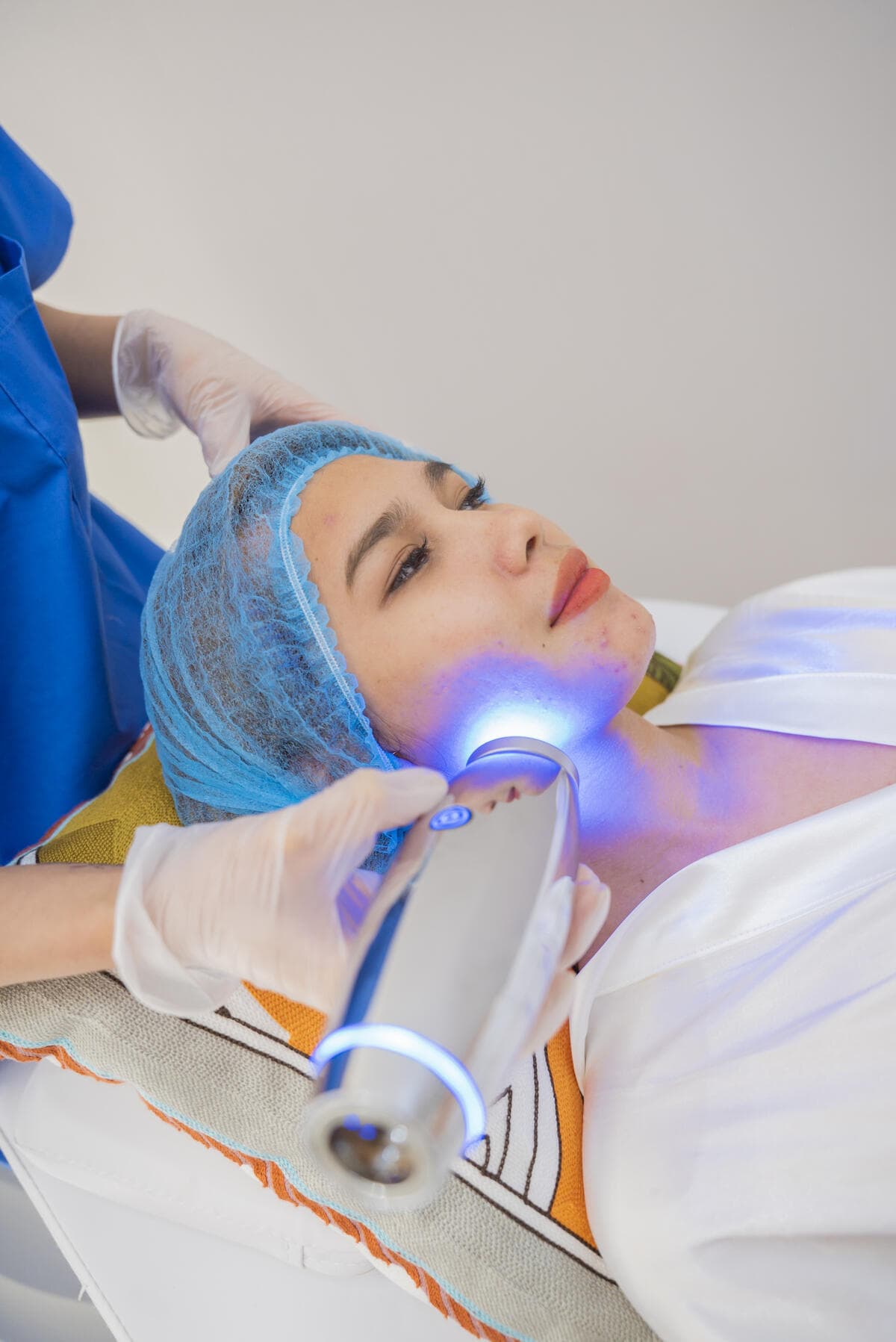
- Anti-Acne Treatment — uses blue light to target acne-causing bacteria and calm inflammation, ideal when breakouts are flaring.
- Oxygen Facial — revives that flat, grey, humidity-dulled look and brings back radiance.
The right one depends on whether your main issue is congestion, active breakouts, or dullness — which is exactly the kind of thing a quick consultation sorts out.
The bottom line
Rainy-season skin isn't a personal failing — it's your skin reacting to a genuinely tough environment. Keep your routine light, clean, and consistent, treat fungal acne as its own problem, never skip sunscreen, and lean on a professional cleanse when your skin needs a reset.
Do that, and you can stay clear and glowing straight through the habagat — and walk into the ber months with your best skin instead of recovering from months of breakouts.
Book a skin reset in BGC or Quezon City
If the rainy season has your skin congested, breaking out, or looking dull, a single professional treatment can get it back on track. At SOI Clinic, our specialists will assess your skin and recommend the right reset — no pressure, no guesswork.
We're in BGC, Taguig and Quezon City, open daily from 10am to 9pm. Explore our facial treatments or book a free consultation.
Treatments mentioned